Working capital line vs. waiting on job draws: which actually fits your shop
Commercial and new-construction HVAC work often pays on a draw schedule. Bridging the gap to payroll is a financing decision, not just a patience problem.
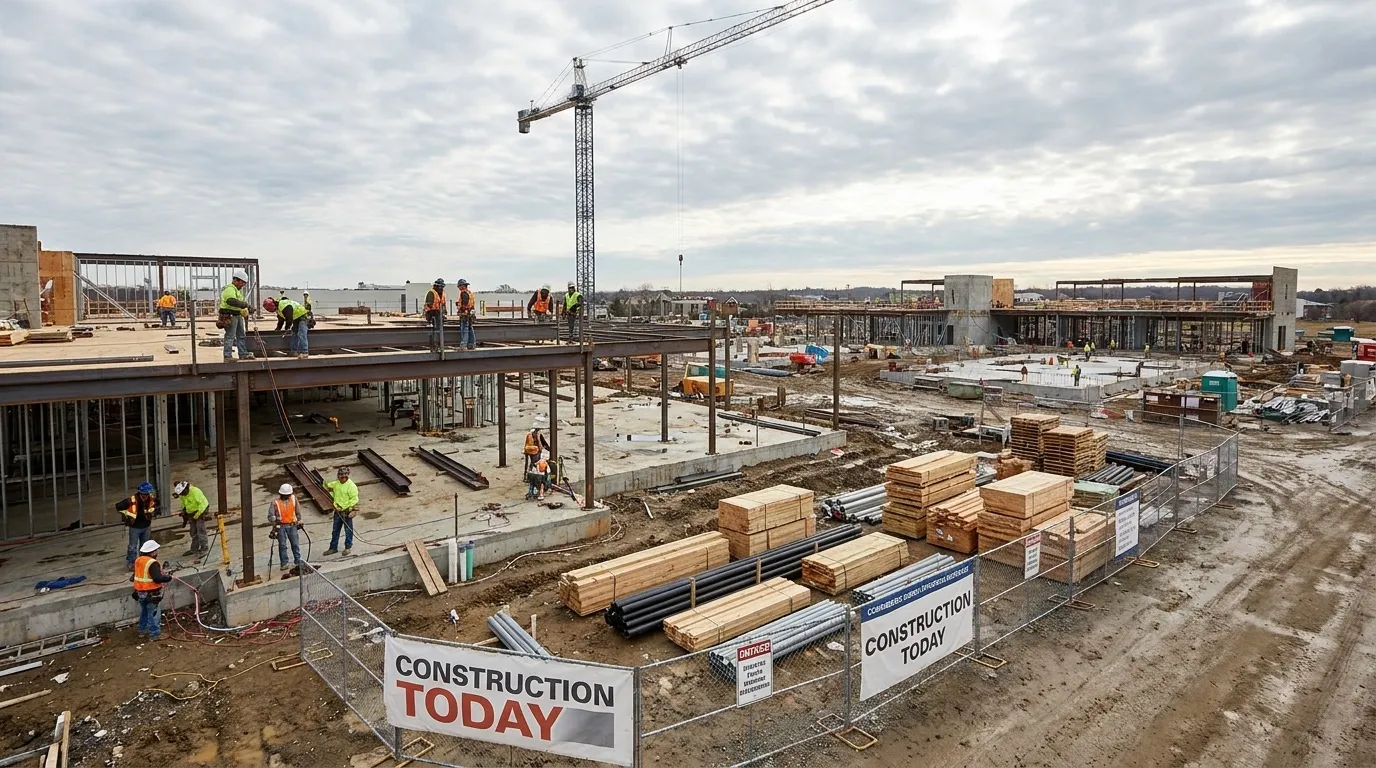
Shops doing commercial and new-construction HVAC work are often paid on a draw schedule tied to project milestones, while payroll, refrigerant, and parts costs run on a weekly or biweekly clock regardless of when the next draw lands. That mismatch is one of the most common reasons profitable shops still run short on cash.
Why “the job is profitable” doesn’t mean “the cash is available”
A job can be fully profitable on paper and still create a cash crunch if the draw schedule pays 30, 60, or 90 days behind the work being performed. The gap is structural, not a sign of bad management — and it gets worse as a shop takes on larger commercial work where draw cycles tend to be longer than residential service revenue.
What a working-capital line actually solves
A revolving line of credit sized to cover payroll and material costs between draws lets a shop take on draw-schedule work without timing payroll around when the next check clears. Used this way, the line isn’t funding growth or a purchase — it’s funding the timing gap on work that’s already profitable, which is a lower-risk use of credit than financing speculative growth.
Factoring as an alternative
For shops less interested in carrying a revolving line, factoring unpaid draws or invoices to a third party at a discount converts the receivable into immediate cash without waiting on the GC’s payment cycle. The tradeoff is the discount taken by the factor, which on tight-margin jobs can matter — factoring tends to make more sense for shops with thin cash reserves than for shops that could otherwise carry the gap with a line.
Sizing the line correctly
A line sized to the longest expected gap between job start and first draw, not the average gap, avoids the scenario where a single slower-paying GC blows through the available credit. Shops that have mapped their typical draw cycle across past jobs have real data to size this correctly instead of guessing.
Bottom line: the draw-schedule gap is structural to commercial HVAC work, not a sign something’s wrong — a working-capital line or factoring are both reasonable ways to bridge it, and the right choice depends on how much of a discount a shop is willing to trade for not carrying the credit itself.